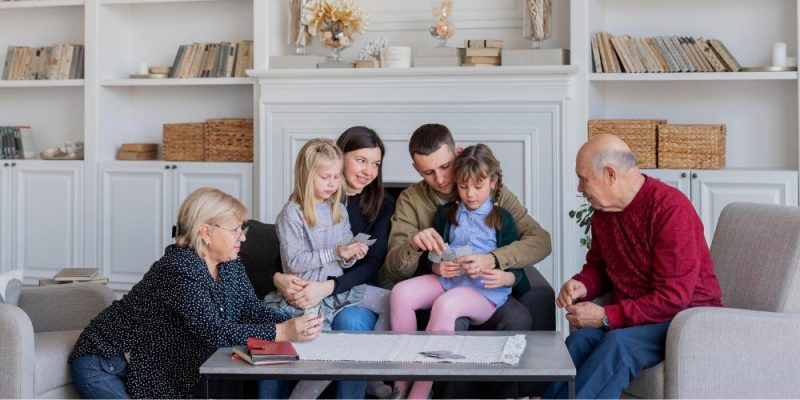
Choosing a home as a family isn’t just about finding the right place—it’s about managing competing priorities like cost, space, and a child’s future. The idea of owning a detached home still holds cultural appeal, but it doesn’t fully reflect how families live today. In practice, stability often outweighs ownership, and the lack of varied housing choices is putting pressure on families trying to find that balance.
For children, the defining issue isn’t whether their home is owned or leased. It’s whether that home feels consistent and secure. Long-term studies tracking kids from infancy through their teenage years show clear patterns: when housing is unstable, the effects build over time, shaping both physical health and overall development in lasting ways.
Adolescents who experienced even moderate housing insecurity had decreased odds of reporting excellent health and exhibited more depressive symptoms. For those who experienced highly insecure housing, the effects were even more severe, with significantly higher levels of anxiety.
Housing insecurity encompasses more than just the threat of eviction. It includes difficulty paying rent, frequent moves, overcrowding, and the experience of doubling up with other families. This constant state of uncertainty creates toxic stress that impairs cognitive, emotional, and physical development.
The Space and Privacy Advantages of Single-Family Rentals
A key factor for many families is space. Houses tend to offer more square footage, extra bedrooms, and access to private outdoor areas. These spaces go beyond simple perks—they can meaningfully shape a child’s day-to-day life. Time spent in yards or green areas has been associated with stronger executive function, including skills like focus, memory, and self-regulation, while also helping families settle into more consistent, calmer routines.
Privacy and noise also come into play. Apartments often mean shared walls and common spaces, which can bring unwanted noise and limit personal space. A detached house, by contrast, usually provides a quieter setting and a greater sense of separation—something many families value when trying to create a steady, low-stress environment for their children.
The Rise of Build-to-Rent as a Market Solution
As homeownership drifts further out of reach for many—driven by rising interest rates and record-high prices—the housing market has started to adjust. One response is the growth of build-to-rent (BTR) communities, made up of single-family homes or townhomes developed specifically for renters.
What was once a relatively small segment is quickly becoming a meaningful part of the housing system, with more than 110,000 BTR units currently under construction.
For families, the appeal is straightforward. BTR offers the feel of a traditional house—private yards, direct street access, and multiple bedrooms—without the upfront cost of a down payment or the ongoing burden of maintenance. In many markets, renting a single-family home can be $1,000 or more cheaper per month than purchasing a similar property, creating a clear and immediate financial advantage.
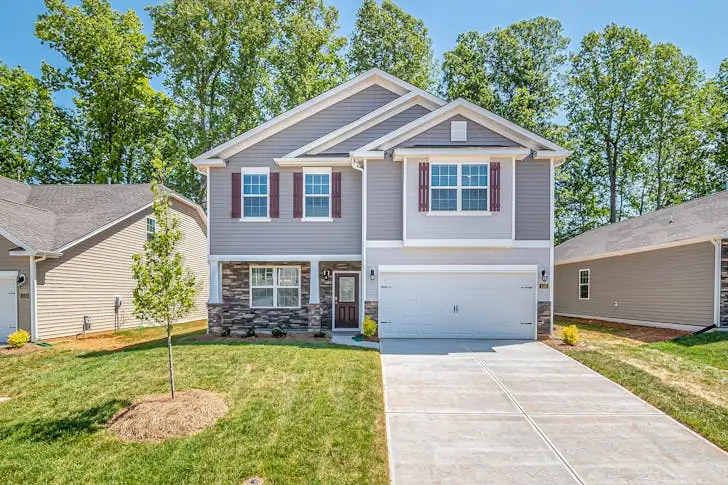
In many communities across the United States, the vast majority of residential land is zoned exclusively for single-family homes. This practice limits the development of duplexes, townhomes, and small apartment buildings that could provide more diverse and affordable housing options.
The consequences of this exclusionary zoning are severe. By restricting multi-family housing to small pockets of a city or town, it artificially inflates land prices and limits the supply of rental units. This scarcity is particularly acute for family-sized rentals, as a large portion of new apartment construction consists of studios and one-bedroom units targeting young, single professionals.