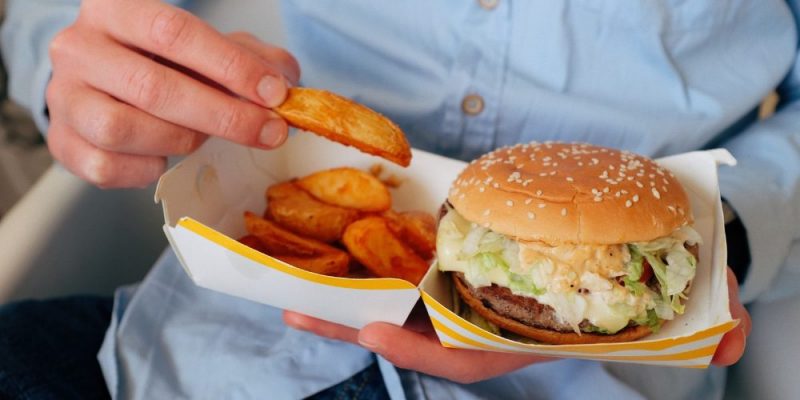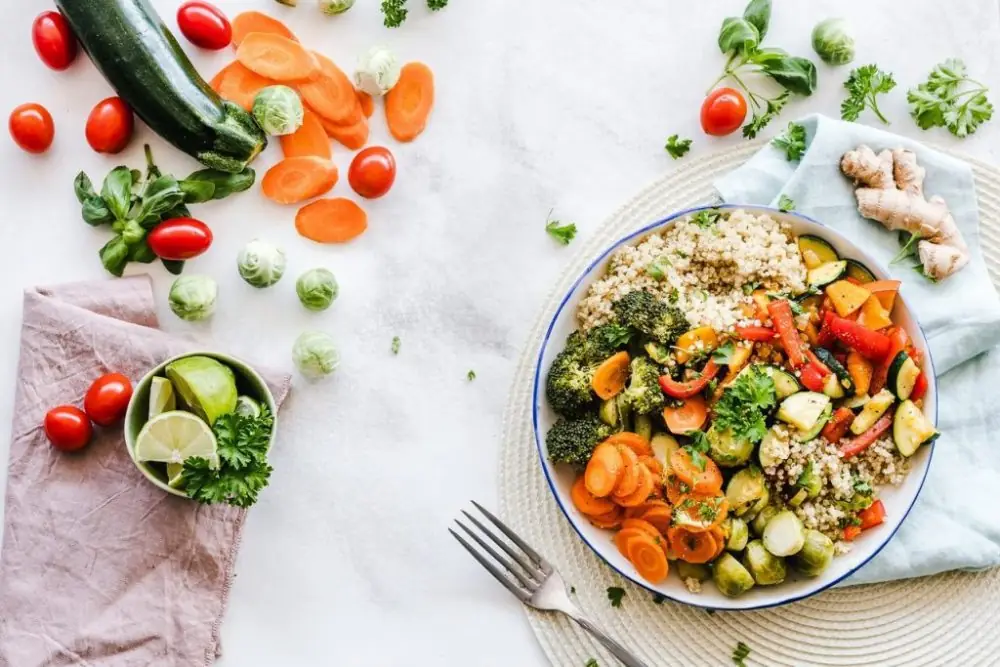
Western societies notice an increasing interest in plant-based eating patterns such as avoiding meat or fish or fully excluding animal products. People choose a vegetarian or vegan diet for a number of reasons. Sometimes it’s out of concern for the way animals are treated or for the environment. But it’s also common to choose a plant-based diet because it’s considered healthier.
And that’s for good reason. Research over many years has linked plant-based diets to lower rates of heart disease, type 2 diabetes, and some cancers. Dietary guidelines and recommendations from nutrition experts reflect this, encouraging the adoption of diets, such as the Mediterranean diet and the DASH diet, that are heavy on fruits and vegetables and restrict consumption of red meat. Here are some side effects of a vegan diet:
Hormones disruptions
Soy is a common source of plant protein that vegans turn to. Processed soy products such as soy milk and tofu are integral parts of a vegan diet. All forms of soy contain phytoestrogens, and consuming more than the recommended amount of soy can negatively impact the hormonal levels of the body. Hormonal imbalance can give way to breakouts on the skin, hair fall, irregular menstrual cycle, skin pigmentation problems, and more.
Increased risk of leaky gut
Since a vegan diet excludes all forms of animal protein including meat, fish, eggs, and dairy, people following a vegan diet often turn to legumes as a plant-based protein source. Legumes have high levels of antinutrients including lectins and phytates, both of which can increase intestinal permeability, also called leaky gut. Animal-based protein sources, on the contrary, do not have antinutrients.
Cardiovascular disease
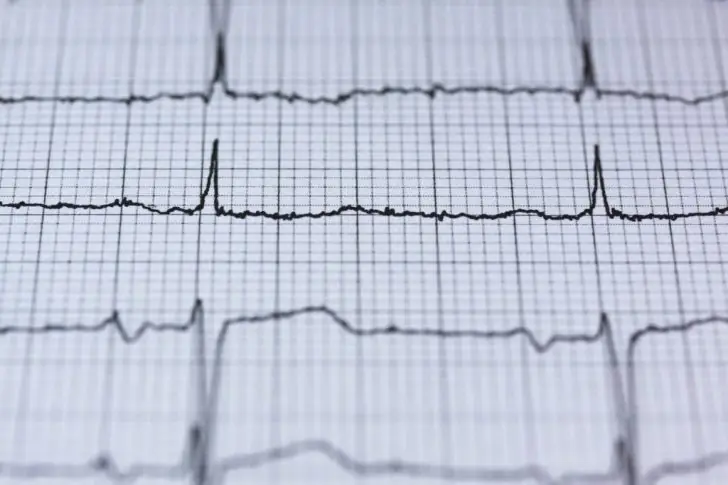
Cardiovascular disease causes more than half of all deaths across the European Region. Overall, evidence suggests that vegetarian and vegan diets have a protective effect against coronary heart disease, but an increased risk of stroke has been reported in recent analyses. The strongest association found so far between diet and cancer risk is for bowel cancer. Frequent consumption (four or more portions per week) of processed meat and unprocessed red meat has been found to increase the risk of bowel cancer.
However, calcium, mainly from dairy products, offers some protection against colorectal cancer. Vegans, vegetarians, and pescatarians have been found to have a lower risk for all cancers compared to non-vegetarians. According to the World Cancer Research Fund, diets that reduce the risk of cancer contain no more than modest amounts of red meat and little or no processed meat.
Increased risk of depression

Without a food source of omega-3 fatty acids from fish or fish oils and increased consumption of omega-6 fatty acids from foods like nuts, vegans might be at higher risk of depression.