As the global economy continues to change, one thing is becoming increasingly clear: the “velocity” of money around the world is plummeting. This trend has been ongoing for some time and shows no signs of slowing down anytime soon. As economic uncertainty increases, so does the rate at which money is being circulated less and less.

Consequently, this creates a ripple effect that can be felt far and wide.
What is the Velocity of Money?
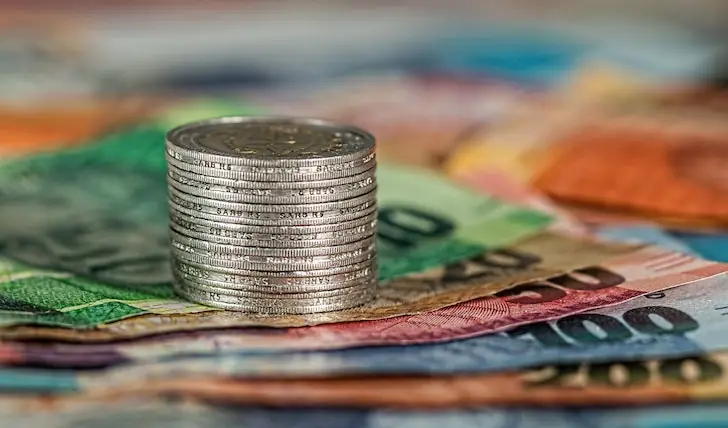
The velocity of money is a measure of how quickly currency – whether paper or digital – is exchanged within an economy from one transaction to another. Usually, it is expressed as the number of dollars exchanged per unit of time. As the velocity of money declines, it signals that consumers and businesses are either spending less or holding onto their cash longer before spending it.
Why is the Velocity of Money Plummeting?
The velocity of money is affected by many factors, including consumer confidence, economic stability, and government policies. During times of recession and economic uncertainty, people tend to be more conservative with their money, hoarding cash rather than investing in assets or making purchases.
This tendency has a direct impact on the velocity of money. When people stop spending, the rate at which currency circulates drops drastically.
What are the Consequences of the Low Velocity of Money?
The consequences of the low velocity of money can be far-reaching. When money is not circulating as quickly, businesses suffer losses in sales and profits, leading to layoffs and cutbacks. Consumer confidence also drops, creating an even bigger drag on the economy.
Additionally, the low velocity of money can lead to deflationary pressures in the markets, further exacerbating economic issues.
How Can We Reverse the Trend?
The key to reversing this trend lies in creating a more stable and confident economic environment. Governments need to take steps to reduce uncertainty by introducing policies that encourage investment and consumer spending.
Additionally, central banks should consider using monetary tools such as quantitative easing or cutting interest rates in order to stimulate the economy and get money moving again. Finally, fiscal stimulus packages may be necessary for countries facing severe recessionary conditions.

Final Verdict
The velocity of money is a key indicator of economic stability and can have far-reaching effects on an entire economy. As the velocity of money continues to decline, it will become increasingly important for governments, central banks, and other policymakers to take action. This is in order to turn this trend around and restore confidence in the markets.
Although reversing the trend may seem daunting, it is possible with the right strategies. With a combination of fiscal and monetary policy tools, governments can help to stimulate economic activity and get money moving again. Doing so will not only benefit businesses and consumers. But it will also create a more secure economic environment for everyone.